
Ghee
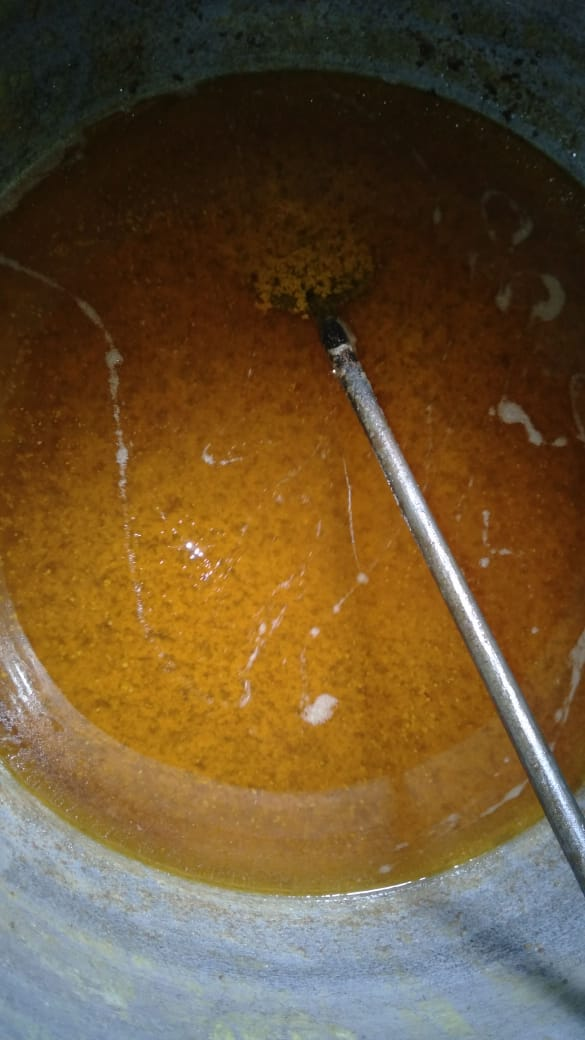
What is Ghee ?
Ghee is often referred to as ‘Ghrita’ in Sanskrit’ or ‘clarified butter’ in English. Ghee is a healthy fat derived from milk and is a staple in Indian cuisine and is widely used in Ayurvedic medicines. It is one of the ‘Panchamrita’ (five nectars) used in Hindu worship.
Desi Ghee means Ghee made from the milk of indigenous cow breeds of Indian subcontinent using traditional methods. Ghee made from the milk of Jersey, Holstein or mixed breed cows is not Desi Ghee.
Health benefits of Ghee :
As per Ayurveda, the ancient Indian science of healing, Ghee
promotes memory and intelligence,
enhances Ojas (Vitality), Tejas (Glow) and Prana (Life force), and
lubricates the body.
helps to increase digestive fire
aids in removing toxins from the body
improves assimilation and absorption of fat soluble nutrients and phytonutrients in the body.
binds with active components of many herbs and facilitates their absorption and assimilation and thereby increasing the potency of herbs.
good source of Conjugated Linolenic Acids (CLA) which act as anti cancer agents.
Medicinal Ghee/Ghrita and its effects:
Ghee infused with herbs is used as a cure for many ailments.
Brahmi Ghrita:
Brahmi Ghrita is used for improvement in memory and also in the treatment of Amnesia. A study has shown that effects of Brahmi Ghrita are similar to Piracetam ( a standard reference drug for treatment of amnesia).
Bhringarajadi Ghrita Rasayana:
Bhringaraadi Ghrita has been shown to be helpful in preventing premature ageing by reversing the parameters of ageing such as Muscle weakness and mental acuity.
Hingvadi Ghrita:
Hingvadi Ghrita is used as an antidepressant. According to a recent study Hingvadi Ghrita has shown anti depressant activity comparable to standard drug Imipramine Hydrochloride.
There are many such herbal formulas prepared with Ghee with extraordinarily beneficial effects on health.
Usages of Ghee in daily routine:
All over the length and breadth of India Ghee dominates the cuisine. Be it Daal Bafla, Mysore Pak or Moong ka Halwa, Ghee is an essential ingredient and without Ghee a feast cannot be imagined. In Ayurveda Ghee is one of the most important mediums or Yogavahi which carries the essence of herbs to the tissues of the body. Therefore, many herbal formulas are consumed with Ghee.
Ghee Preparation Methods :
Ghee is obtained from ghee by the following three methods. The traditional method, the cultured cream method and the direct cream method. Let us see in detail about each method of preparing ghee.
The traditional method :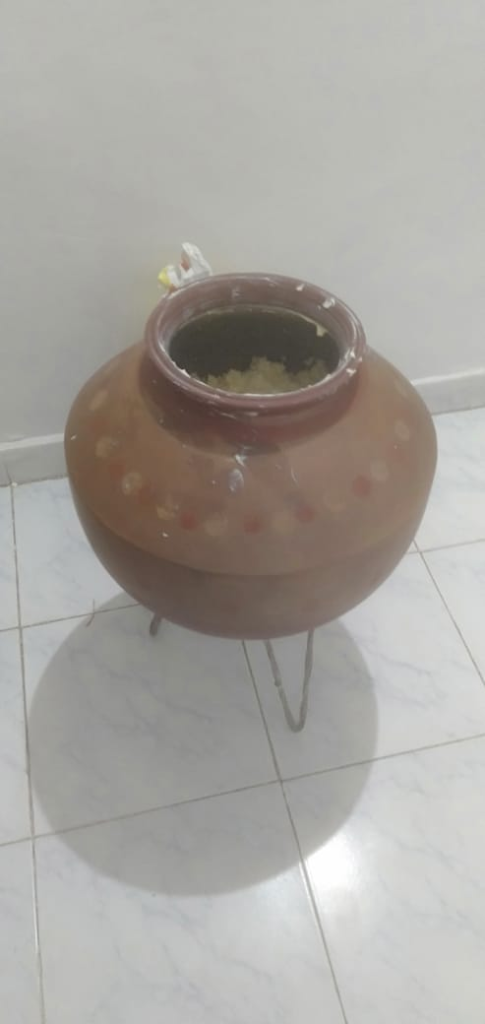
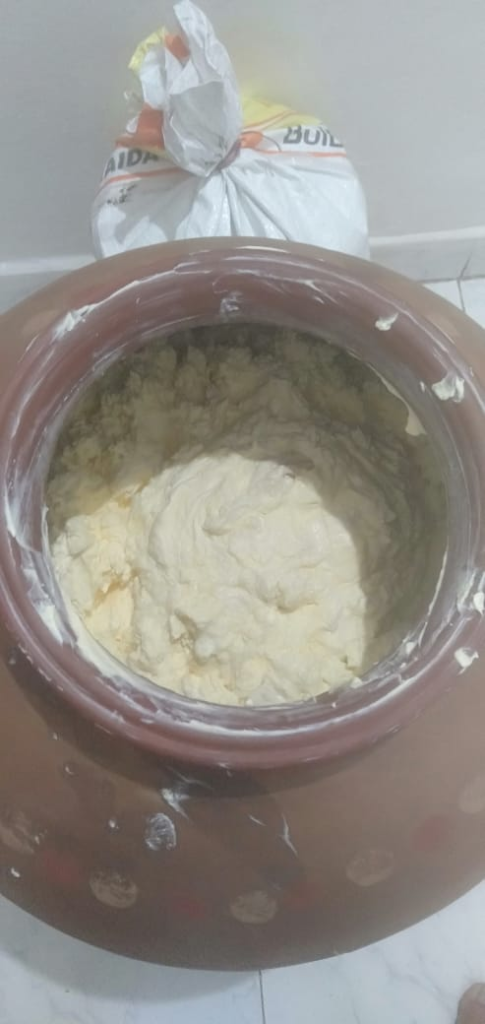
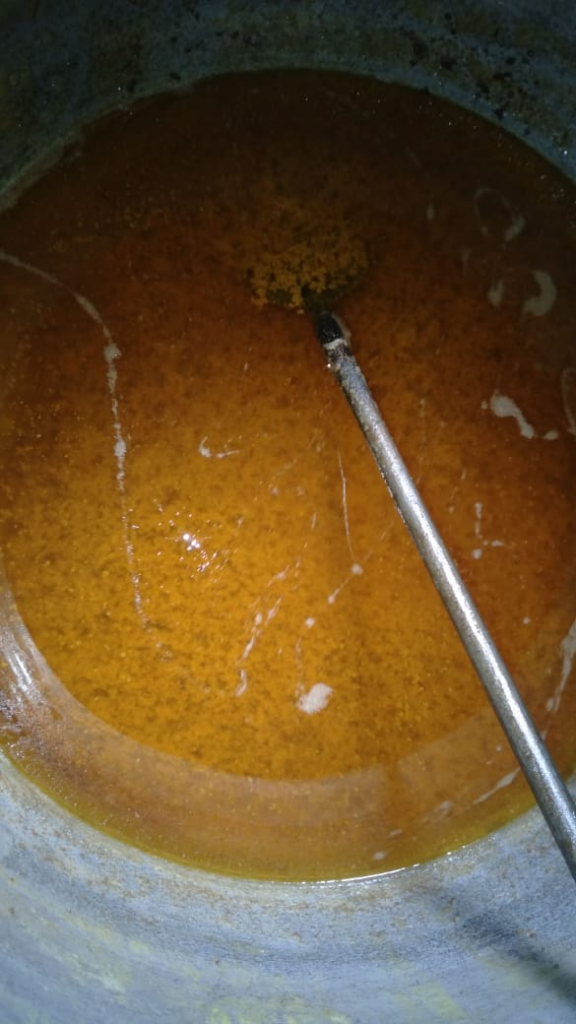
Milk is boiled and cooled at room temperature. This milk is then shifted to an earthen pot and about 1 tablespoon curd is added per litre of milk as starter culture and left overnight. When the curd has formed it is churned with a wooden churning stick till butter starts floating above buttermilk. Butter is then removed from buttermilk and washed with water till no residue of buttermilk is left. The butter so obtained is now heated in a kadai pan till it is clarified and becomes ‘Ghee’, a clear golden yellow liquid, and starts floating above the milk solids which would have turned brown till now. Ghee is then strained and stored in a dry glass container.
Cultured cream method :
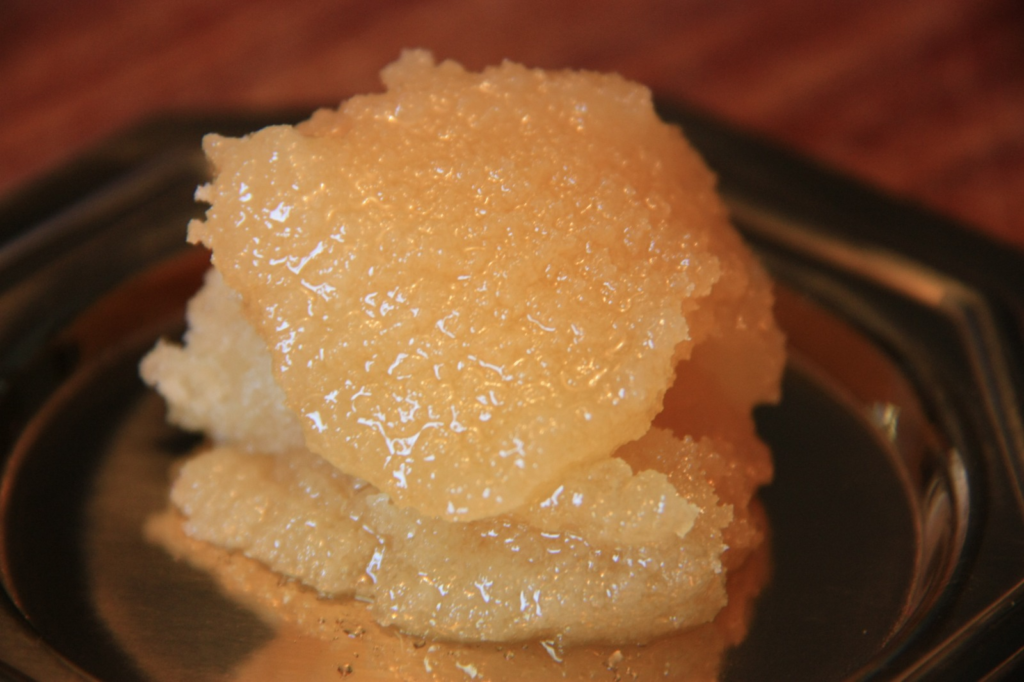
In this method cream obtained by boiling the milk is mixed with buttermilk or curd and cultured for a few days. This cultured cream is then churned manually or in a mixer after adding some water and then heated in a pan till it is clarified. It is then strained and separated from milk solids and stored in a dry container.
Direct Cream Method :
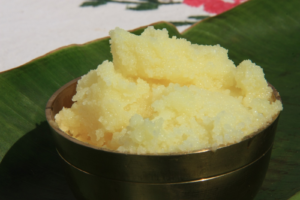
Cream obtained by heating the milk is accumulated over a course of a few days and then heated till it is clarified. It is then strained and separated from the milk solids and stored in a dry container.
Which method is better
Generally, Ghee made with traditional methods is considered superior to the Ghee obtained by other methods as it is tastier and has a better texture. A recent study has also found that it is nutritionally better as it contains higher amounts of DHA. Till the turn of the, traditional methods were being used in Indian households. However, with growing urbanization, consumerist attitudes and busy lifestyles most households in India now use the cultured cream method. Direct cream method is used in an industrial setup.
How to determine the purity of Ghee:
Pure Desi Ghee is golden Yellow in color. It is in crystalline liquid form at room temperature and melts the moment you put it in your mouth. It has a nutty flavor and a soothing aroma. Most importantly, the quality of Ghee depends on the quality of milk and the quality of ‘bacterial culture’ used to curdle the milk.
The milk obtained from a healthy, active and happy Cow which gets to graze on fresh grass, leaves and herbs is the best. It is more nutritious and contains the goodness of many health giving plants and herbs.
The ‘Çulture’ is also of equal importance. The curd made from culture obtained from pure indigenous Desi Cows enhances the quality of Ghee. The culture used in factories is not the same as that which is being used in Indian villages for centuries. One should try to get hold of unadulterated, heirloom bacterial culture from the curd made from Desi Cows milk.
Ghee made in an industrial setup, is generally of low quality, contains artificial colors and flavors. In fact, some companies even use pig fat and goat fat to make Ghee. Ghee should be made at home with pure Desi cow milk and good culture.
Right Price for Ghee:
On an average one gets 30-35 grams of Ghee from 1 Litre of milk. So the cost of Ghee depends on the price of milk. Considering the current prices of cow milk the production cost of real desi ghee should be around Rs. 1200-1500 ($15-$20) in India. Add the labour cost, preparation expenses, profit margin and taxes and the price should be around 1800-2400 ($28- $36) per kg in India.